What BMI Stands For
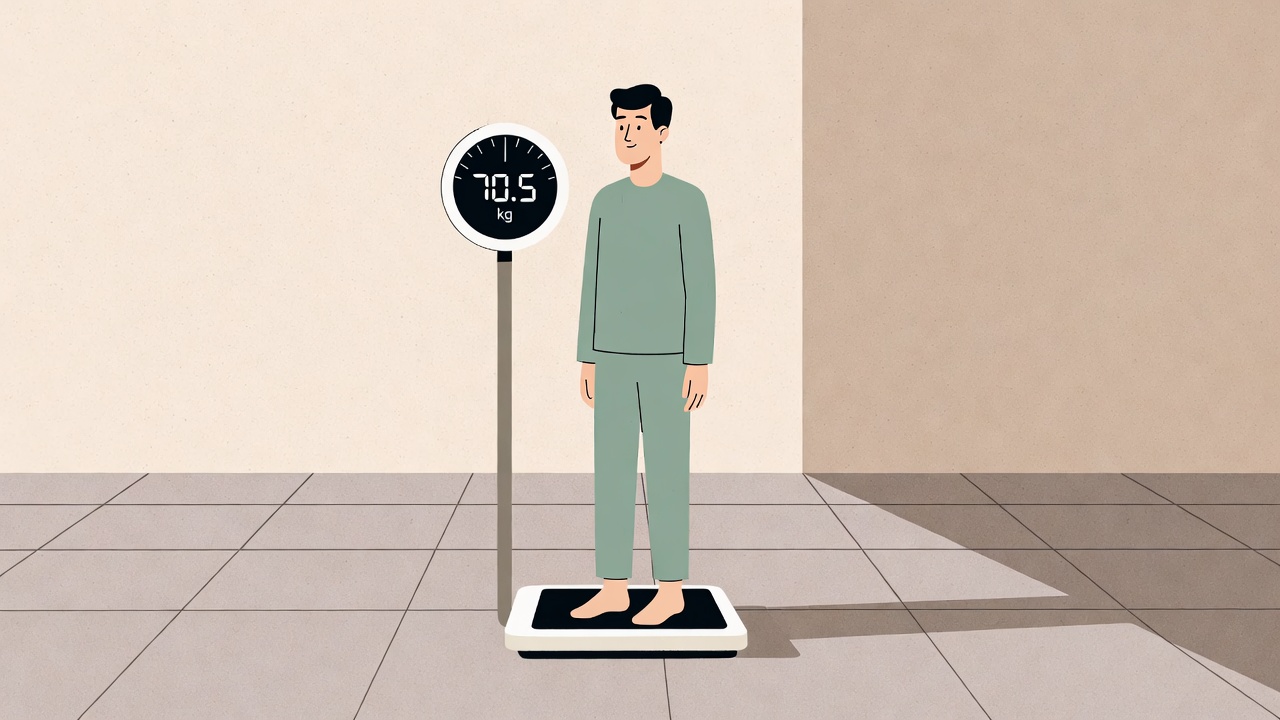
BMI stands for Body Mass Index. It is a simple numerical value calculated from a person's height and weight, used as a general indicator of whether someone's weight falls within a range considered healthy for their height. BMI was developed in the early 19th century by Belgian mathematician Adolphe Quetelet as a population-level tool — not as an individual diagnostic measure. Over time it was widely adopted in medicine and public health as a quick, low-cost screening value.
How BMI Is Calculated
The formula divides your weight in kilograms by the square of your height in metres. A person who weighs 70 kg and is 1.75 m tall has a BMI of 70 ÷ (1.75 × 1.75) = approximately 22.9. If you use pounds and inches, the result is multiplied by 703 to convert units. Most online calculators, including the one on this site, handle the conversion automatically.
What the BMI Categories Mean
The World Health Organisation uses the following standard ranges for adults: below 18.5 is underweight; 18.5 to 24.9 is normal weight; 25 to 29.9 is overweight; 30 and above is obese, with further sub-categories at 35 and 40. These ranges are used as a starting point when assessing weight-related health risks — not as a standalone diagnosis.
What a High or Low BMI Can Indicate
A BMI in the overweight or obese range is associated with a higher statistical risk of conditions including type 2 diabetes, cardiovascular disease, and high blood pressure. A BMI below 18.5 can be associated with nutritional deficiencies, weakened bones, and reduced immune function. These are risk indicators, not certainties — individual health depends on many other factors.
The Limitations of BMI
The most significant limitation is that BMI does not distinguish between fat and muscle. A very muscular person — such as an athlete — may have a high BMI while having very low body fat, making the classification misleading. BMI also does not account for where fat is distributed in the body: fat stored around the abdomen carries higher health risks than fat elsewhere, and BMI cannot capture this. Additionally, the thresholds were established using data primarily from European populations and may carry different implications for people of other ethnic backgrounds.
How to Use Your BMI Result
Use your BMI as one data point among several, not as a definitive health verdict. If your BMI falls outside the normal range, it is worth discussing with a doctor who can consider a fuller picture — including your body composition, activity level, diet, family history, and any symptoms. A single BMI number does not tell the full story of someone's health, but as a quick, free, and easy-to-calculate reference, it remains a useful starting point for most adults.
Calculate Your BMI
You can check your BMI instantly using the free tool on this site. No account needed — the calculation runs directly in your browser.
This article is for general informational purposes only and does not constitute medical advice. If you have concerns about your weight or health, please speak with a qualified healthcare professional.