What a Mortgage Payment Includes
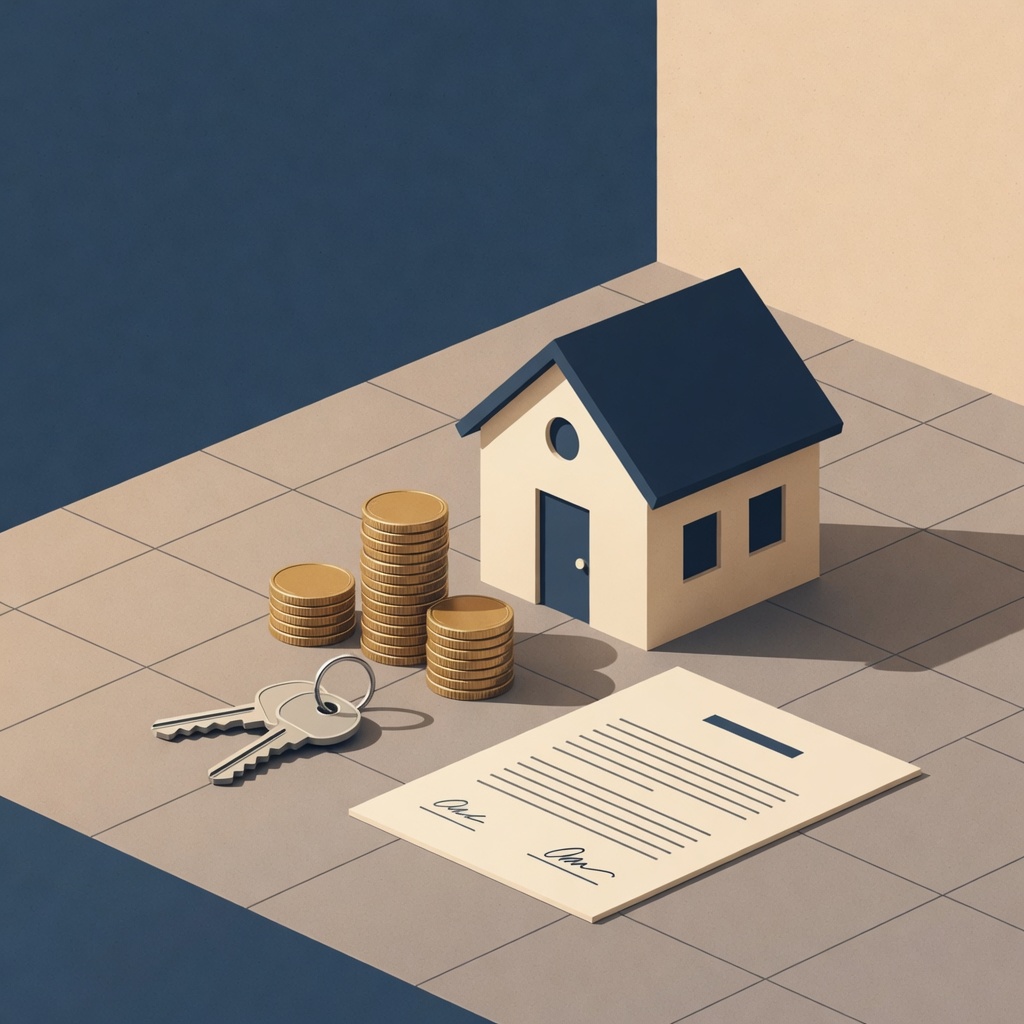
A mortgage payment is the regular amount you pay to your lender after borrowing money to buy a property. In most cases, each payment includes two main parts: principal and interest. The principal is the amount you borrowed. The interest is the cost of borrowing that money.
Depending on your country, lender, and mortgage type, your payment may also include property taxes, insurance, service charges, or other fees. The calculator on this site focuses on the core repayment amount: loan balance, interest rate, and term.
Principal and Interest Explained
At the beginning of a mortgage, a larger share of your monthly payment usually goes toward interest because your outstanding balance is still high. As time passes and you repay more of the principal, the interest portion gradually falls and more of each payment goes toward reducing the loan balance.
This repayment structure is called amortisation. It is why the early years of a mortgage can feel slow, even when you are making regular payments.
What Affects Your Monthly Mortgage Payment
The biggest factors are the loan amount, interest rate, and repayment term. A larger loan creates a higher payment. A higher interest rate increases the cost of borrowing. A shorter term usually means higher monthly payments but less interest paid overall, while a longer term lowers the monthly payment but increases the total interest paid over time.
Why the Interest Rate Matters So Much
Even a small difference in interest rate can make a major difference over the life of a mortgage. Because mortgages are large and usually run for many years, a rate change of even half a percentage point can affect both your monthly payment and your total repayment amount.
This is why comparing rates, fees, and terms carefully is important before choosing a mortgage.
Shorter Term vs Longer Term
A shorter mortgage term can help you become debt-free faster and reduce total interest, but the monthly payment will usually be higher. A longer term can make the monthly payment more affordable, but you may pay much more interest over the full life of the loan.
The right option depends on your income, budget, savings, risk tolerance, and long-term plans.
Fixed and Variable Mortgage Rates
A fixed-rate mortgage keeps the same interest rate for a set period, making payments easier to plan. A variable-rate mortgage can rise or fall depending on the market or lender conditions. Variable rates may start lower, but they can become more expensive if rates increase.
Before choosing between fixed and variable, make sure you understand how much your payment could change and whether your budget can handle it.
Estimate Your Mortgage Payment
You can estimate your monthly payment using the free Mortgage Calculator on this site. Enter the property price, deposit, interest rate, and loan term to see how the numbers change.
→ Open the Mortgage Calculator
This article is for general informational purposes only and does not constitute financial advice. Mortgage costs, rates, fees, and lending rules can vary, so speak with a qualified mortgage adviser before making borrowing decisions.